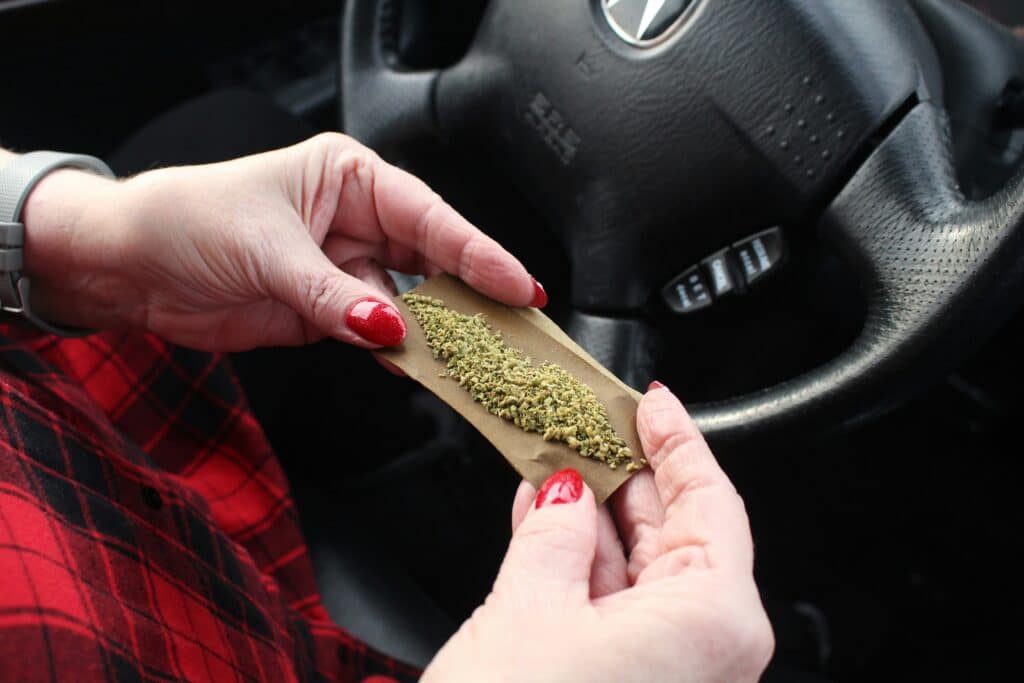
If you’ve noticed more patrol cars on Colorado highways lately, you’re not imagining things. The Colorado State Patrol has made it clear that DUI enforcement across the state is intensifying in 2026, with a series of high-visibility surge operations already underway. For Colorado drivers, understanding how these operations work and what your rights are during a DUI stop could make the difference between a routine traffic encounter and a life-altering arrest.
What's Behind the Surge in DUI Enforcement?
Colorado saw over 16,000 DUI arrests statewide in 2025, and law enforcement agencies aren’t slowing down. In early 2026, the Colorado State Patrol launched multiple surge operations in partnership with local police departments, flooding targeted areas with additional officers focused specifically on impaired and dangerous driving. Operations like “Winter Blitz,” “Operation Sweetheart,” and spring pre-season surges have already produced dozens of DUI arrests, hundreds of traffic citations, and a strong message: Colorado is watching.
These aren’t random patrols. The Colorado State Patrol DUI surge operation is a coordinated, multi-agency effort designed to saturate a specific area with officers during high-risk periods. Warmer weather, holiday weekends, and major sporting events all trigger heightened enforcement. Rural areas like Mesa County have been frequent targets because they tend to see higher DUI rates due to fewer rideshare and public transportation options.
How Colorado DUI Stops and Checkpoints Work
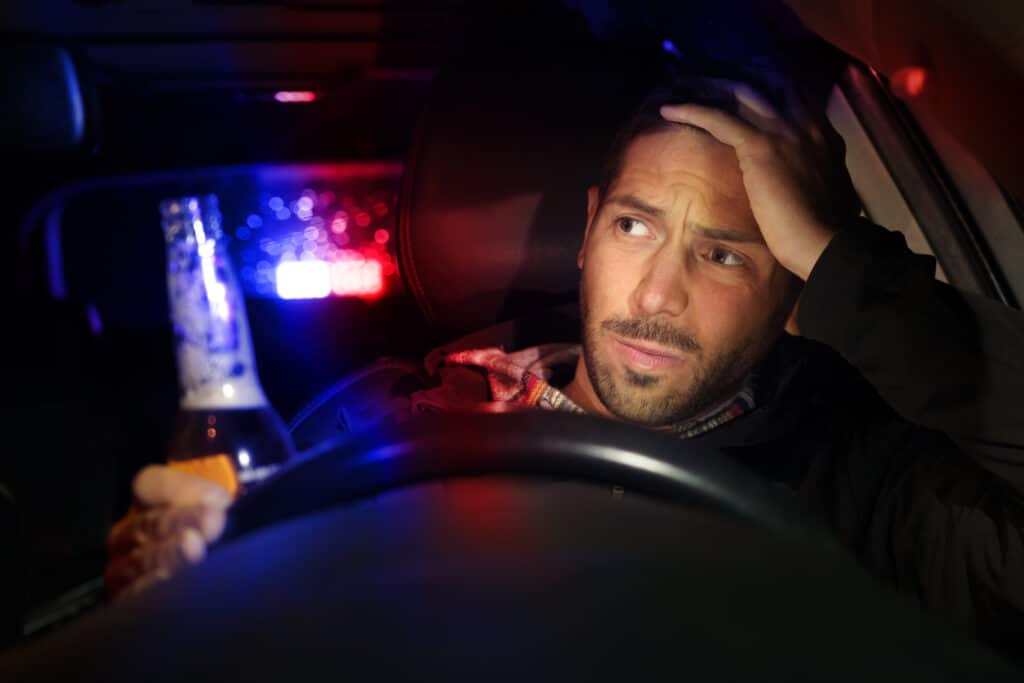
During a DUI checkpoint in Colorado, officers set up a fixed location and stop vehicles in a systematic pattern. At a checkpoint or during a surge-related traffic stop, an officer is looking for visible signs of impairment: slurred speech, bloodshot eyes, the smell of alcohol, or erratic driving behavior. If the officer develops reasonable suspicion, you may be asked to perform voluntary roadside tests, including a portable breath test.
Here’s what many drivers don’t realize: the roadside breath test administered before an arrest is voluntary, and you can decline it without automatic penalty. However, once you’re lawfully arrested for DUI, Colorado’s Express Consent Law (C.R.S. § 42-4-1301.1) kicks in. This law means that by driving on Colorado roads, you’ve already given implied consent to chemical testing if an officer has probable cause to arrest you for DUI. Refusing a post-arrest breath or blood test triggers its own set of consequences, including automatic license revocation and designation as a persistent drunk driver, even on a first offense.
What Happens After a DUI Arrest in Colorado
A DUI arrest in Colorado, 2026 sets two separate legal processes in motion simultaneously. The first is the criminal case, which moves through the court system and can result in fines, jail time, probation, and a permanent criminal record. The second is the administrative process with the DMV, which determines your driving privileges independently of the criminal outcome.
If a breath test shows a BAC of 0.08% or higher, the officer will confiscate your license on the spot and issue a temporary 7-day permit. You then have just seven days to request an Express Consent hearing with the DMV. Missing that deadline means automatic license revocation without the opportunity to contest it.
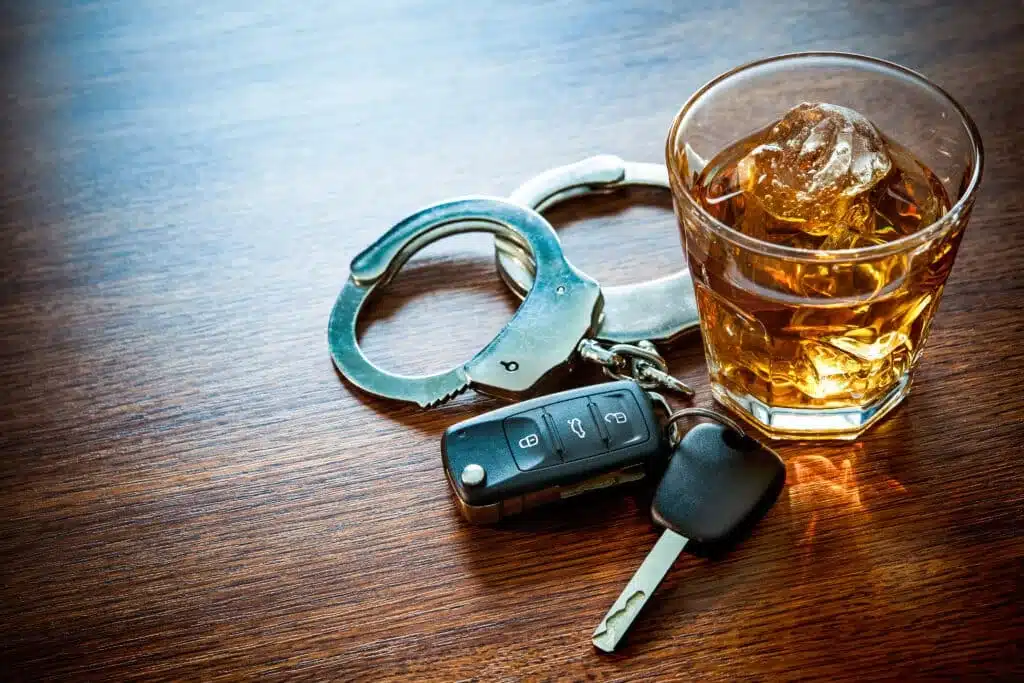
For a first-offense DUI, Colorado DUI penalties can include fines ranging from $600 to $1,000, up to one year in jail, a nine-month license revocation, mandatory alcohol education classes, community service, and the potential requirement of an ignition interlock device. If your BAC is 0.20% or higher, jail time is mandatory even for a first offense. And while a first or second DUI is typically charged as a misdemeanor under C.R.S. § 42-4-1301, a fourth or subsequent offense is a class 4 felony carrying potential prison time.
Your Rights During a DUI Stop
Knowing your rights won’t prevent an arrest, but exercising them correctly can significantly impact the outcome of your case. During any DUI stop in Colorado, you have the right to remain silent beyond providing your identification and basic documents. You don’t have to answer questions about where you’ve been, how much you’ve had to drink, or where you’re headed. Politely declining to answer isn’t an admission of guilt; it’s a constitutional protection.
You also aren’t required to perform field sobriety tests. These exercises, such as walking a straight line or standing on one leg, are subjective and can be influenced by medical conditions, fatigue, uneven terrain, or simple nervousness. An officer may still arrest you based on other observations, but declining these tests removes a significant piece of evidence from the prosecution’s case.
Perhaps most importantly, if you’re pulled over during a DUI checkpoint or surge operation, you should contact a DUI defense attorney before making any statements beyond what’s legally required. An experienced attorney can advise you on testing decisions, protect your rights during the DMV hearing process, and begin building a defense strategy from day one.
How to Protect Yourself as Enforcement Increases
The simplest way to avoid a DUI arrest in Colorado is to plan ahead. If your evening involves alcohol or cannabis, arrange a rideshare, designate a sober driver, or stay where you are. Colorado law doesn’t just prohibit driving under the influence; it also covers being in physical control of a vehicle while impaired, meaning sitting in a parked car with your keys accessible can still lead to charges.
But if you do find yourself facing a DUI charge during one of Colorado’s surge operations, the steps you take in the first 24 to 48 hours matter enormously. Requesting the DMV hearing within seven days, preserving evidence, and securing legal counsel early can all shape the trajectory of your case.
If you’ve been arrested for DUI in Colorado, the attorneys at MBS Law can help you understand your options and protect your future. Reach out today to discuss the details of your case.