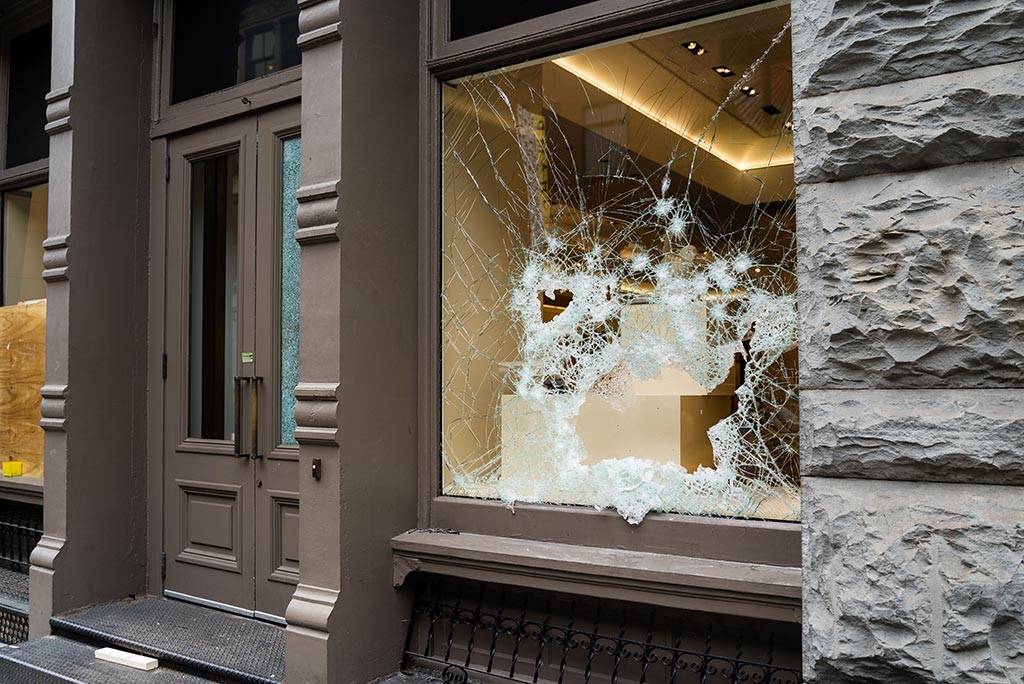

Property damage is a serious legal issue that both Colorado residents and visitors should understand. Many people assume that damaging someone’s property is a civil matter that only results in monetary compensation, but Colorado law takes a different approach. Under certain circumstances, property damage can result in criminal charges, jail time, and a permanent criminal record. If you’re facing property damage charges in Colorado, you need to understand the legal consequences and your rights.
When Property Damage Becomes a Criminal Offense
In Colorado, property damage itself isn’t automatically a criminal matter. The severity of the charge depends on factors such as the value of the damaged property, the method used to cause the damage, and whether the damage was intentional or reckless. Colorado Revised Statutes (C.R.S.) § 18-4-501 defines criminal mischief, which encompasses various forms of property damage and destruction.
Criminal mischief charges can be filed when someone intentionally or recklessly damages or destroys the property of another person. The key distinction lies in the value of the damaged property and the specific circumstances surrounding the incident. Minor damage might result in misdemeanor charges, while extensive or deliberate destruction could lead to felony charges.
Colorado's Criminal Mischief Charges and Penalties
Colorado law categorizes criminal mischief into several levels based on the extent of damage and the defendant’s intent. Under C.R.S. § 18-4-501, charge levels are tied directly to the total monetary value of the property damaged. Because all damage within a single criminal episode is combined, what might seem like minor destruction can quickly become a more serious charge.
Sentencing ranges in Colorado are governed by felony and misdemeanor sentencing statutes.
- Petty Offense — Damage under $300: up to 10 days in jail and fines up to $300
- Class 2 Misdemeanor — Damage between $300–$999: up to 120 days in jail and fines up to $750
- Class 1 Misdemeanor — Damage between $1,000–$1,999: up to 364 days in jail and fines up to $1,000
- Class 6 Felony — Damage between $2,000–$4,999: 12 to 18 months in prison and fines of $1,000–$100,000
- Class 5 Felony — Damage between $5,000–$19,999: 1 to 3 years in prison and fines of $1,000–$100,000
- Class 4 Felony — Damage between $20,000–$99,999: 2 to 6 years in prison and fines of $2,000–$500,000
- Class 3 Felony — Damage between $100,000–$999,999: 4 to 12 years in prison and fines of $3,000–$750,000
- Class 2 Felony — Damage of $1,000,000 or more: 8 to 24 years in prison and fines of $5,000–$1,000,000
It’s also worth noting that if the incident arises out of a domestic violence situation, a mandatory protective order will be issued immediately, which can affect living arrangements, child custody, and firearm possession—regardless of whether the damage was intentional.
Property Value and Damage Assessment
The monetary value of the damaged or destroyed property is a critical factor in determining the severity of charges. Damage exceeding $1,000 typically results in felony charges, while damage between $300 and $1,000 may result in misdemeanor charges. Damage under $300 might be charged as a petty offense, though this still carries potential jail time.
Prosecutors must prove the actual value of the property to establish the appropriate charge level. This assessment considers the property’s market value, repair costs, and the property’s condition before the damage occurred. If you’re charged with property damage, your criminal defense attorney may challenge the valuation presented by the prosecution, which could potentially reduce the severity of your charges.
Connection to Trespassing and Burglary Charges
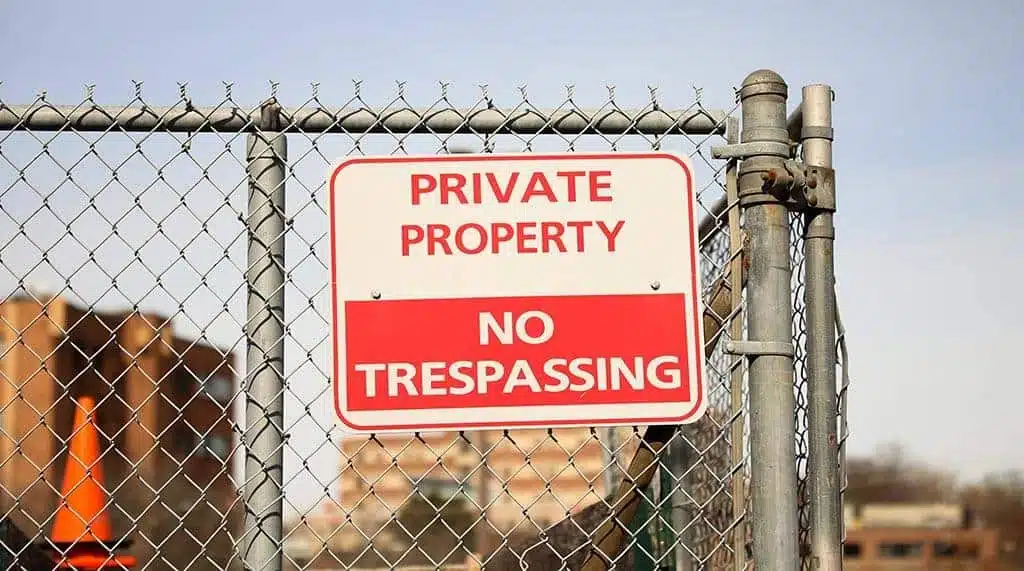
Property damage charges often don’t stand alone. In Colorado, criminal trespass laws work hand-in-hand with property damage statutes. If you damage someone’s property while trespassing on their premises, you may face both trespassing and property damage charges. Colorado Revised Statutes § 18-4-504 addresses criminal trespass, which prohibits knowingly entering or remaining on another person’s property without permission.
Furthermore, if property damage occurs during the commission of a burglary, the consequences become significantly more severe. Colorado burglary laws involve entering a dwelling, building, or vehicle with the intent to commit a crime. When property damage accompanies a burglary charge, sentencing guidelines become increasingly stringent. Burglary penalties range from 4 to 12 years in prison for Class 3 felonies, depending on whether the offense occurred in a dwelling or other structure.
Intent and Recklessness as Critical Elements
Colorado law distinguishes between intentional acts and reckless behavior. Intentional damage carries more severe penalties than reckless or negligent damage. A prosecutor must prove beyond a reasonable doubt that you either intentionally damaged the property or acted with reckless disregard for whether the property would be damaged.
This distinction offers an important defense strategy. If you damaged someone’s property accidentally or without reckless behavior, your attorney may argue that the prosecution cannot prove the necessary intent. This could result in reduced charges or a complete dismissal of the case.
What Happens If Convicted of Property Damage
A conviction for criminal mischief in Colorado carries serious long-term consequences beyond jail time and fines. A criminal record can impact employment opportunities, housing applications, professional licensing, and educational opportunities. Many employers conduct background checks and may decline to hire candidates with criminal convictions, particularly for property crimes.
You may be required to pay restitution to the property owner, covering repair costs and any diminished value of the property. This financial obligation is separate from criminal fines and can amount to thousands of dollars depending on the extent of the damage.
Defending Against Property Damage Charges
If you’re facing property damage charges, several defense strategies may be available. An experienced criminal defense attorney can challenge the evidence presented by prosecutors, question the valuation of damaged property, argue a lack of intent, or raise other legal defenses. Some common defense strategies include:
- Disputing the ownership of the property
- Challenging the valuation of damage
- Demonstrating lack of intent or knowledge
- Arguing mistaken identity or alibi
- Asserting lack of recklessness
Speak With a Colorado Property Damage Defense Attorney Today
Property damage in Colorado can absolutely result in jail time, depending on the severity of the offense and various surrounding circumstances. Charges under C.R.S. § 18-4-501 can range from misdemeanors to felonies, with potential incarceration periods and significant financial penalties. If you’re accused of property damage, trespassing, burglary, or related offenses, seeking immediate legal representation is crucial.
If you face property damage charges in Colorado, a qualified criminal defense attorney can help you understand your options, protect your rights, and work toward the best possible outcome in your case. Contact MBS Law today for a confidential consultation.