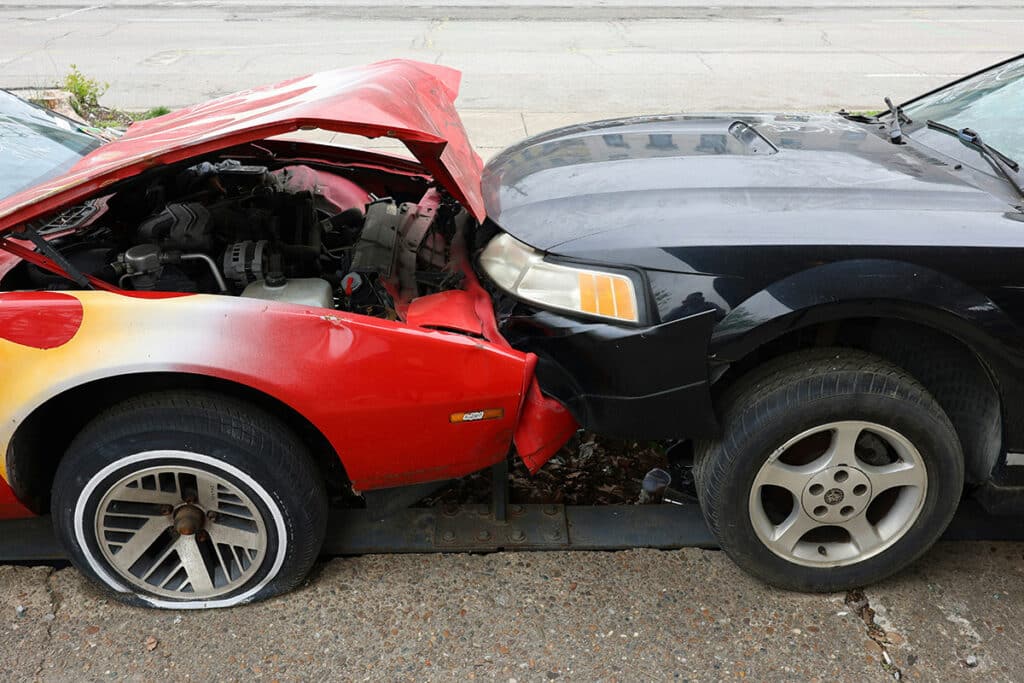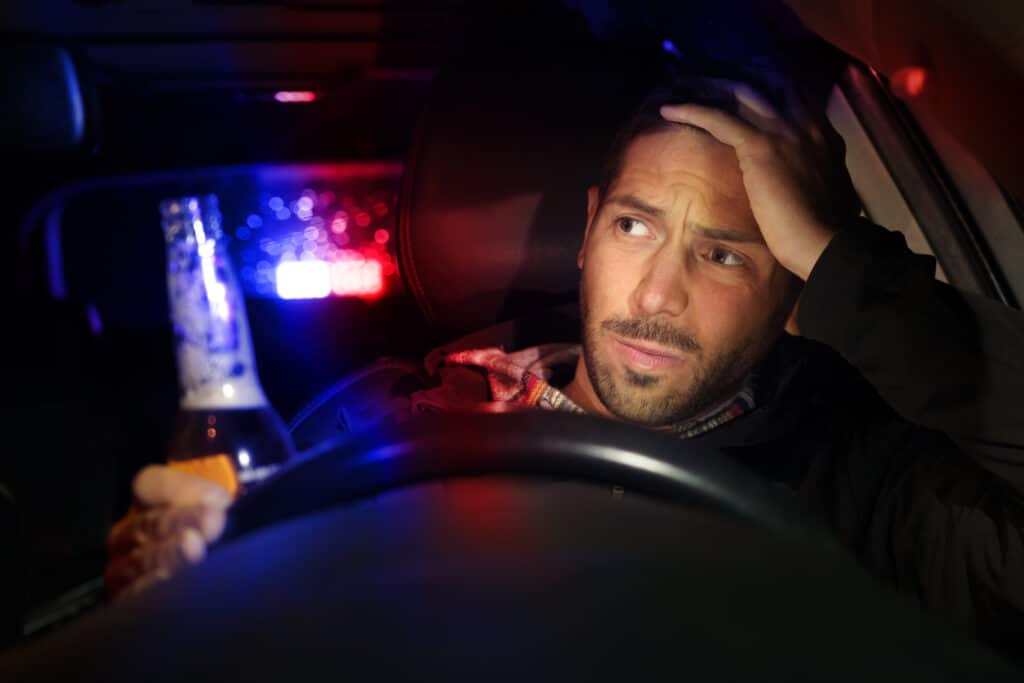

What happens if you kill someone in a DUI in Colorado? A driver accused of operating a vehicle under the influence and proximately causing another person’s death may be charged with vehicular homicide under C.R.S. § 18-3-106. When the allegation is based on DUI, the offense is a Class 3 felony carrying a presumptive sentence of four to 12 years in state prison, followed by three years of mandatory parole.
Colorado treats DUI vehicular homicide as a strict liability crime. Prosecutors do not have to prove that the driver intended to cause a crash or death. They must still prove that the person drove while under the influence and that the impaired driving legally caused the fatality.
What Happens After a Colorado DUI Fatal Accident?
A fatal crash involving suspected alcohol or drug impairment may lead to an intensive investigation. Law enforcement may obtain blood or breath test results, interview witnesses, review video and vehicle data, and work with accident reconstruction specialists.
The driver may face vehicular homicide as well as other charges supported by the circumstances. Toxicology analysis, vehicle inspections, and reconstruction reports may all become important. Early legal representation gives the defense an opportunity to preserve evidence and examine how the crash occurred.
Is Vehicular Homicide a Felony in Colorado?
Yes. Vehicular homicide involving DUI is a Class 3 felony in Colorado. Vehicular homicide involving DWAI or reckless driving is generally a Class 4 felony.
This differs from the charge commonly called felony DUI in Colorado. An ordinary DUI or DWAI may become a Class 4 felony when the accused has at least three qualifying prior impaired-driving convictions from separate criminal episodes. A DUI that proximately causes a death may be charged as Class 3 vehicular homicide even when the driver has no prior DUI record.
How Much Prison Time for a Fatal DUI in Colorado?
Under Colorado’s felony sentencing framework, the presumptive sentencing range for Class 3 vehicular homicide DUI is four to 12 years in the Colorado Department of Corrections, plus three years of mandatory parole. Colorado law also permits a fine of $3,000 to $750,000.
A Class 4 conviction for vehicular homicide based on reckless driving or DWAI generally carries two to six years in prison, three years of mandatory parole, and a possible fine of $2,000 to $500,000.
The final sentence depends on the charges, the defendant’s record, and the collision. A court may consider the level of impairment, manner of driving, injuries to others, treatment efforts, and other aggravating or mitigating circumstances.
Vehicular homicide penalties in Colorado also extend beyond incarceration. The Colorado Division of Motor Vehicles identifies a vehicular homicide or vehicular assault conviction as grounds for a one-year driver’s license revocation. Restitution and treatment requirements may also follow.
What Is the Difference Between Vehicular Homicide and Reckless Driving in Colorado?
For DUI-based vehicular homicide, prosecutors must prove that the accused drove under the influence and that the conduct proximately caused another person’s death. Because the offense is a strict liability, the state does not have to prove a separate reckless mental state.
For reckless vehicular homicide, the state must prove that the driver consciously disregarded a substantial and unjustifiable risk. The same collision may support both impairment and reckless-driving allegations, but each theory has different elements and penalties. The distinction between DUI and DWAI can also affect the classification of the offense.
What Must Prosecutors Prove in a Vehicular Homicide DUI Case?
The prosecution generally must establish that the accused drove the vehicle, was legally under the influence of alcohol, drugs, or both, and proximately caused the death.
A blood alcohol concentration of 0.08 or higher creates a permissible inference of DUI, but a test result does not eliminate every issue. The defense may examine DUI blood-testing evidence, including when the sample was collected, whether testing procedures were followed, how it was stored, and whether the chain of custody was complete.
Causation can also be disputed. Another driver’s actions, unsafe road conditions, mechanical failure, an unexpected medical event, or problems with the state’s reconstruction may affect whether prosecutors can prove that the accused legally caused the death.
Can a Vehicular Homicide DUI Charge Be Defended or Reduced?
No lawyer can guarantee that a vehicular homicide charge will be dismissed or reduced. Prosecutors must nevertheless prove every element beyond a reasonable doubt.
A defense attorney may review chemical testing, witness statements, vehicle data, medical records, roadway evidence, and accident reconstruction. Depending on the facts, the defense may challenge impairment, causation, the identity of the driver, the reliability of a test, or the classification of the offense.
Negotiations may focus on reducing a Class 3 DUI-based charge to a Class 4 theory involving DWAI or reckless driving when the evidence supports that result. Counsel may also seek dismissal of unsupported counts or a sentence toward the lower end of the applicable range.
What Should You Do After a Fatal DUI Arrest?
Avoiding common mistakes after a DUI arrest is especially important when the case involves a death. Do not try to explain the crash to investigators, insurance representatives, the victim’s family, or on social media without legal advice. Statements made while injured or distressed may later be used as evidence.
Preserve photographs, messages, receipts, location history, vehicle records, and other material related to the collision. Do not alter or delete potential evidence. A lawyer can request records, communicate with investigators, and begin evaluating the case while evidence remains available.
Speak With an Adams County DUI Lawyer
Vehicular homicide DUI is among the most serious driving offenses prosecuted in Colorado. The difference between DUI, DWAI, and reckless driving causing death in Colorado can change the felony classification, potential prison sentence, and defense strategy.
MBS Law represents clients facing serious DUI and criminal charges in Adams County and throughout the Denver metropolitan area. Contact the firm to schedule a confidential consultation and discuss the evidence, possible penalties, and defense options.